


Gold Mining Equipment
Gold mining equipment is a system, not a shopping list. A washable placer deposit needs feeding, washing, screening and gravity recovery; a hard-rock project needs those stages plus crushing, grinding and a different recovery route entirely. This page sets out the equipment a project actually needs, stage by stage, and the tonnage each stage has to be sized for - so the lineup you buy matches the ground you have.
Tel: +8615515531291 · Email: zzsinolion02@163.com · Zhengzhou Sinolion Machinery Co., Ltd.
What a Gold Project Actually Needs, Stage by Stage
Gold mining equipment splits into four working groups, and every project needs at least the first three. Feed and wash - a hopper with grizzly bars and a trommel screen or rotary scrubber, where clay and agglomerates are broken down and the ore is sized. Classify - the screening deck that separates oversize rock from the gold-bearing fines. Recover - the gravity circuit: sluice boxes, centrifugal concentrators, shaking tables and jigs, arranged in the order your gold's particle size demands. Finish and support - the smelting furnace for the final bar, plus the diesel generator set, water pump, pipework and control system that keep the other three groups running. Skip a group and the line does not fail loudly; it simply loses gold quietly at that stage.

Capacity: Sizing the Lineup
Every stage in a lineup is measured in tonnes per hour, and the stages have to agree with each other. Six models cover the working range:
- 5-10 t/h - GMTS0519. Where a project starts: pits, bulk samples and small claims.
- 10-30 t/h - GMTS1020. One loader, one plant, one steady feed.
- 30-50 t/h - GMTS1225. The band most family-run placer operations land in.
- 80-150 t/h - GMTS1548. A worked deposit running a full shift calendar.
- 100-200 t/h - GMTS1848. Bulk gravel pits with prepared feed.
- 200-350 t/h - GMTS2060. The largest band; recovery is usually split into two stages.
The full parameter sheet - drum diameter and length, discharge and feed-size limits, installed dimensions and drive power for all six models - sits with the product line rather than being repeated here: Mobile Gold Washing Trommel → full 8-column parameter sheet.
Washing and Screening: the Front of the Line
This is where the project's throughput is decided. A trommel screen suits sandy and lightly clayed ground and covers the widest capacity range; a rotary scrubber takes on clay, laterite and kaolin that would otherwise blind the deck. Both come in mobile, portable and fixed configurations, and the choice between them is the single most consequential decision on the front end of a plant - we keep that comparison on its own page so it can be made properly. What matters here is that the washing stage is sized for the tonnage the rest of the line will actually see, not for the peak the loader can produce in a good hour.

Gravity Recovery: Where the Gold Is Caught
Gravity equipment is stacked in the order of the gold it is meant to catch. Coarse gold and nuggets report to the sluice box, which is cheap, forgiving and the first thing in the circuit. The fine and flour-sized fraction that the carpet cannot hold goes to a centrifugal concentrator - the unit that has done more to lift recovery on alluvial operations than any other addition. Concentrate from either stage is upgraded on a shaking table, and where the feed carries coarse-to-medium gold, a mineral jig earns its place ahead of the table. Alongside these, a smelting furnace turns the finished concentrate into a bar that can be weighed and sold. The whole circuit is water and gravity: no reagents, no amalgamation, which is also what makes it acceptable in jurisdictions where mercury use is being phased out.

Auxiliaries and Consumables
The equipment around the washing and recovery stages decides whether the plant runs through the night. A diesel generator set (Cummins, Mitsubishi or Weichai, matched to your service network) frees the plant from the grid; the water pump and pipework must be sized to the wash water and fluidisation demand of the whole circuit, not just the trommel; and a control system keeps the sequence and interlocks in one place. The one consumable worth planning for is the gold-dust gathering mat in the sluice: on a working plant it is replaced roughly every five hours across a ten-hour shift, so a plant running continuously around the clock needs a mat change routine written into the shift handover, not improvised.
Matching the Lineup to Your Ore and Your Scale
Three ore types drive three different lineups. Placer and alluvial ground runs feed-and-wash straight into gravity recovery, and the whole plant can be mobile. Hard rock needs crushing and grinding ahead of the same gravity stages, with the recovery circuit designed around milled, liberated gold rather than gravel. Tailings and old dumps are re-treated with a washing and recovery line sized to what the dump can actually deliver per shift, often the cheapest gold a project will ever find. Across all three, the same rule applies: the lineup is built for investigation-stage testing as readily as for commercial production, and it should be able to grow from the first into the second without being replaced.

From Sample to Commissioning
The sequence is short, and each step has a purpose. Your sample goes through our wash-and-concentrate test, and what comes back is a flowsheet stating the recovery we expect on that ore. Approve the flowsheet and the machines are built against it - not against a brochure. Before dispatch, every unit is test-run, photographed and video-inspected, and the container loading plan for your order is drawn up (20 ft or 40 ft; FOB, CIF or DDP as you prefer). When the containers are emptied, we either send an engineer to site or run the commissioning over video, and your operators are trained on the plant itself. Equipment carries a 12-month warranty on the main machines and spare parts are supplied for the working life of the plant. A Ghanaian operation has placed three successive orders for these plants - the reference is available on request.
Gold Mining Equipment FAQ
Q: 1. What equipment does a small gold mining project need first?
A: Start with the front of the line: a feeder hopper with grizzly bars, the washing stage (trommel screen for sandy ground, rotary scrubber for clay), and a sluice box behind it. That trio will produce concentrate from day one. Add a centrifugal concentrator when you see fine gold leaving in the tailings, and a shaking table when you want to sell a cleaner concentrate.
Q: 2. How do I know what tonnage to size the plant for?
A: Base the tonnage on what your loader can keep up with over a whole shift rather than in a good hour. Loader-limited operations usually land between 10 and 50 t/h; larger pits with dedicated feed preparation justify 80 t/h and above. Oversizing the front of the line is the most expensive mistake on this list, because every downstream stage is then built larger than it needs to be.
Q: 3. Placer or hard rock - does the equipment change?
A: Substantially. Placer and alluvial ground goes feed-and-wash into gravity recovery and can be built on a mobile frame; hard rock needs crushing and grinding before the gravity stages, and a recovery circuit designed for milled, liberated gold. Tailings re-treatment sits in between and is usually the lowest-cost gold a project will find.
Q: 4. Which gravity equipment catches which gold?
A: Coarse gold and nuggets go to the sluice box first. The fine and flour-sized fraction that the carpet loses goes to a centrifugal concentrator. A shaking table upgrades the concentrate from either stage, and a mineral jig takes coarse-to-medium gold ahead of the table where the feed suits it. The stages are complementary, not alternatives.
Q: 5. Are chemicals or mercury used anywhere in this lineup?
A: No. The standard lineup recovers gold by water and gravity - no reagents, no amalgamation. Where a project is phasing out mercury, a centrifugal concentrator is normally the unit specified to replace the amalgamation plate in the flowsheet.
Q: 6. Can the plant run 24 hours?
A: It can, and the constraint is maintenance rather than the machines. The gold-dust gathering mat on the sluice is replaced roughly every five working hours, so a plant running around the clock needs a mat-change routine built into shift handover. Everything else in the lineup is chosen for continuous duty.
Q: 7. Is the equipment specified on my own ore?
A: Always - no machine is specified before the ore is. We wash and concentrate your sample, write the flowsheet, and state the recovery we expect on it; that document, not a catalogue, decides what gets manufactured.
Q: 8. What powers the plant on a site with no grid?
A: A diesel generator set (Cummins, Mitsubishi or Weichai, matched to your service network) sized to the whole circuit, or a heavy-duty diesel engine on mobile configurations. Send us the fuel and power available at your site and the drive specification follows from that.
Q: 9. Can I order a single machine, and when would it arrive?
A: Single-machine orders are welcome. One standard unit normally leaves the works in about two weeks, and a joint order of two or three runs to around a month; where the flowsheet is fully customised, the timetable is fixed in the order once the design is signed off.
Q: 10. What happens after the equipment arrives?
A: An engineer can travel to your site to set the line up, or we run the commissioning over video if that suits you better; either way your operators are trained on the actual plant. The main machines are covered by a 12-month warranty, and spares remain available for as long as the equipment is in service. For a quick price, send the ore type, the tonnage you need and your site power - the reply is a configured lineup with named models.
About Us
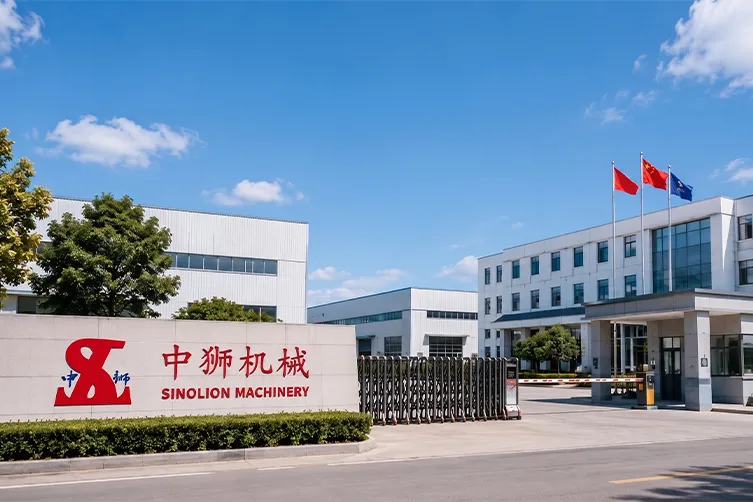
Zhengzhou Sinolion Machinery Co., Ltd. has manufactured gold washing and screening equipment for 12 years and shipped trommel plants to customers in Africa, South America, Southeast Asia, the Middle East, etc. If you are planning an ore washing project, tell us the tonnage and ore type - we will come back with a concrete plant proposal and factory price.
YEARS HISTORY
EXPORT VOLUME
COUNTRIES
GLOBAL PARTNERS
Related Equipment
- Mobile Gold Washing Trommel - the GMTS trailer lines and the full 8-column parameter sheet
- Gold Wash Machine - trommel type or rotary scrubber type: how to decide
- Gold Centrifugal Concentrator - the fine-gold unit and its model selection
- Gold Washing Centrifuge - automatic discharge and running cost
- Gold Sand Separator Machine - high-mud, high-tonnage placer ground
- GMTS0519 Small-Scale Gold Production Line - the 5-10 t/h entry line
Zhengzhou Sinolion Machinery Co., Ltd. is one of the most credible manufacturers and suppliers of gold mining equipment in China. Please feel free to buy high quality gold mining equipment for sale here from our factory. Good service and reasonable price are available.
Hot Tags: gold mining equipment, China, manufacturers, suppliers, factory, price, for sale, Heavy Duty Portable Soil Trommel Screen, Commercial Compost Screener, Efficient Rotary Garbage Sorting Drum Screen, Heavy Duty Compost Trommel Screen, Mobile Type Compost Drum Trommel, Small 5 10 Tons Alluvial Gold Washing Plant


