


Small Gold Washing Plant
Width: 45" (1,143mm)
Height: 46" (1,168mm)
Weight: 800lbs (363kg) (Depending on options)
Scrubber Barrel Length: 48" (1,218mm)
Screen Barrel Length: 36" (914mm)
Barrel Diameter: 15" (381mm)
Barrel Speed: Variable
Send Inquiry
For small-scale alluvial miners, exploratory teams, and commercial operators testing new concessions, capital efficiency is everything. Investing in a massive, fixed processing plant before proving your ore body often leads to wasted capital and operational downtime.
A small gold washing plant-built around a heavy-duty rotary trommel screen, an integrated scrubbing barrel, and a gravity recovery system-provides a mobile, low-cost, and high-recovery solution. It allows you to process placer gravel, river sand, and weathered saprolite ores directly at the extraction pit with minimal fuel consumption and rapid setup times.
Below is an engineering overview of how small gold wash plants work, how to select the right capacity for your site, a direct technical comparison across standard models, and a real-world field installation case study.

Technical Specifications: Standard Model Comparison
Choosing the correct drum size and power rating ensures you do not choke the hopper or wash gold over the sluice due to excessive water velocity.
| Model | Trommel Diameter (mm) | Trommel Length (mm) | Capacity (t/h) | Power (kw) | Overall Dimension L*W*H (mm) | Weight (kg) |
| GMTS0519 | 500 | 1910 | 5-10 | 1.5 | 3000x1000x1800 | 550 |
| GMTS1020 | 1000 | 2000 | 10-30 | 4 | 3390x1400x2140 | 1500 |
| GMTS1225 | 1200 | 2500 | 30-50 | 5.5 | 4146x1600x2680 | 2200 |
| GMTS1548 | 2000 | 4800 | 80-150 | 11 | 8460x2300x2500 | 6800 |
| GMTS1848 | 2000 | 4800 | 150-200 | 15 | 9860x2300x3420 | 7200 |
How a Small Gold Wash Plant Works
Placer gold extraction relies entirely on physical gravity separation. The objective is simple: disintegrate clay balls, wash gravel clean of fine silt, screen out sterile oversize rocks, and recover free gold grains over high-density capture surfaces without chemical additives.

1. Feeding & Scalping Hopper
Material is loaded by a mini-excavator, backhoe, or manual crew into the hopper. A heavy-duty scalping grizzly bar sits on top at a 45° angle to reject boulders (typically larger than 70–100 mm) before they enter the rotating drum, preventing internal structural damage.
2. High-Pressure Washing & Desliming
Inside the trommel drum, high-pressure water spray bars run the entire internal length. As the drum rotates, internal lifter bars continuously lift and drop the material. This aggressive tumbling action breaks down stubborn clay coatings and washes every pebble, liberating trapped microscopic gold and nugget flakes into the slurry.
3. Precision Drum Screening
The drum is fitted with wear-resistant screen plates (perforated steel plate, woven wire mesh, or polyurethane).
- Oversize material (>5 mm to >15 mm): Discharges out the rear end of the trommel onto a waste pile or discharge chute.
- Undersize slurry (<5 mm): Passes through the screen aperture and drops into the distribution hopper underneath.
4. Gravity Concentration Circuit
The fine slurry flows over a recovery system calibrated to the specific gravity of gold (SG 19.3) versus host gravel (SG 2.6–3.0):
- Standard Sluice Box: Fitted with diamond riffles and specialized miner's moss carpets to trap coarse nuggets and medium flakes.
- Pulsating Sluice: Uses an eccentric drive mechanism to keep the bed fluid, preventing fine sand compaction.
- Centrifugal Concentrator (Optional Add-on): Ideal when the ore body contains a high ratio of ultra-fine flour gold (-200 mesh).
Real-World Case Study: 30–50 TPH Placer Project
Location: Katanga Province, Democratic Republic of the Congo
Deposit Type: Riverbed alluvial gravel with low-to-medium silt content
Primary Equipment: 1 × GMTS1225 Mobile Gold Trommel Wash Plant
Challenge
The client held a 5-hectare riverbank concession with an estimated average grade of 0.65 g/m³. The site lacked grid electricity, and transport roads were narrow dirt tracks impassable for heavy modular processing structures. The operation required a machine that could be towed by a farm tractor and operated using an on-site diesel generator.

Delivered Solution & Configuration
- Plant Model: GMTS1225 equipped with an integrated wheeled trailer, tow bar, and manual leveling jacks.
- Feeding: Fed by a 13-ton crawler excavator (0.5 m³ bucket).
- Washing System: 1,200 mm diameter × 2,500 mm drum length, dual-layer screen (inner 15 mm punch plate for wear resistance, outer 5 mm woven wire mesh).
- Recovery System: Dual 4-meter sluice boxes lined with gold-trapping carpets and steel expanded metal riffles.
- Power & Water: 15 kVA diesel generator powering the 5.5 kW trommel motor and a 4-inch diesel trash pump delivering 80 m³/h of water.
Operational Results
- Actual Average Throughput: 38–45 dry tons per hour.
- Daily Running Time: 9 hours per day.
- Total Gold Recovery Rate: ~92% across coarse nuggets (+2 mm) down to fine dust (100 mesh).
- Maintenance Record: Zero structural downtime over the first 60 days of operation; sluice carpets cleaned out twice daily (midday and end of shift) requiring only 20 minutes per clean-up.
Daily Maintenance & Operational Tips
To ensure consistent gold capture and prevent unexpected downtime on remote sites:

- Sluice Clean-Up Frequency: Do not wait for the sluice mats to become fully packed with heavy black sands (magnetite/hematite). Once the carpet pores are compacted, newly incoming gold will wash straight over the top. Clean the first 1.5 meters of your sluice every 3 to 5 hours depending on black sand density.
- Spray Bar Nozzle Inspection: Inspect the internal spray nozzles daily for clogging caused by river debris or sand sucked into the pump intake.
- Trommel Drive Maintenance: Lubricate the support roller bearings, thrust rollers, and drive chains every 40–50 operating hours with high-temp waterproof grease.
- Screen Inspection: Check the drum mesh fasteners weekly. A small tear in the screen allows oversize rocks to flood the sluice box, damaging the gold capture mats.

Ghana

Tanzania

Nigeria
Summary & Technical Support
Selecting the right small gold wash plant comes down to matching your feed rate, water supply, and ore washability to the correct drum dimension and screening surface. Whether you are running initial exploration samples with the ultra-compact GMTS0519 or establishing full daily production with the GMTS1225 / GMTS1548, factory-engineered durability ensures reliable recovery in harsh mining environments.
For customized plant layouts, diesel drive integrations, or tailored sluice configurations, submit your ore details and target processing capacity to receive complete engineering drawings and factory-direct pricing.
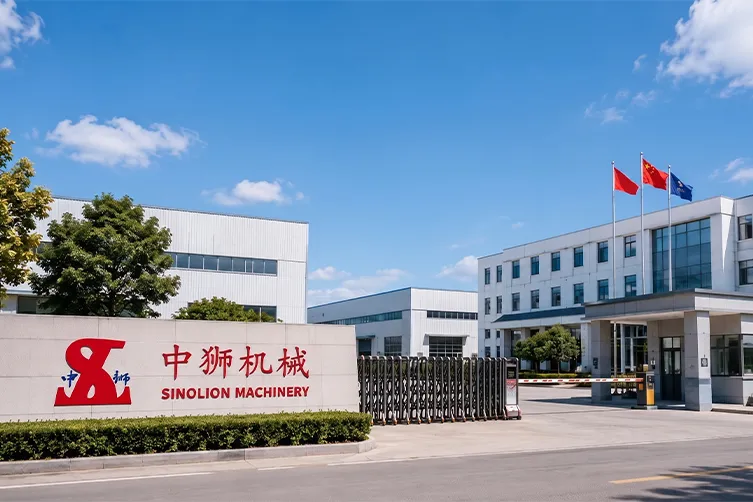
About Us
At Sinolion Machinery, we believe manufacturing heavy equipment is about more than just assembling steel components - it is about forging enduring partnerships and solving your most complex material extraction challenges. Located in the heart of Zhengzhou, China's premier industrial hub, we have been exporting high-performance processing systems to international markets with absolute dedication, strict precision, and relentless power.
30+
YEARS HISTORY
500+
EXPORT VOLUME
100+
COUNTRIES
100+
GLOBAL PARTNERS
Zhengzhou Sinolion Machinery Co., Ltd. is one of the most credible manufacturers and suppliers of small gold washing plant in China. Please feel free to buy high quality small gold washing plant for sale here from our factory. Good service and reasonable price are available.
Hot Tags: small gold washing plant, China, manufacturers, suppliers, factory, price, for sale, Mobile Drum Screen For Screening Compost Topsoil, Mobile Gold Washing Trommel, gold trommel for sale craigslist, Mobile Gold Panning Machine, Large screening equipment, Small 5 10 Tons Alluvial Gold Washing Plant
You May Also Like


Send Inquiry
Categories
Latest Products


Contact Us