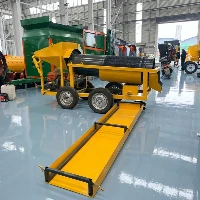


Placer gold-washing plants are crucial tools in the mining industry for extracting gold from alluvial deposits. However, like any complex machinery, they can encounter various issues that may hinder their performance. Let's explore some common problems that can arise in placer gold washing plants and discuss possible solutions.
1. Insufficient Water Flow: Inadequate water flow can result in poor separation and gold recovery rates. This issue may occur due to clogged or damaged water pipes, insufficient water pressure, or inadequate water sources. To troubleshoot this problem, check and clean the water pipes, ensure proper water pressure, and ensure an adequate water supply.
2. Oversized Material Jamming the System: Placer gold washing plants are designed to process a specific range of particle sizes. If oversized rocks or debris enter the system, they can cause blockages, damage equipment, and reduce overall efficiency. Regularly inspect the feed system and use grizzly screens or trommels to pre-screen oversized material before it enters the plant.
3. Inefficient Sluice Box Performance: Sluice boxes are essential components in placer gold washing plants as they capture and concentrate gold particles. If the sluice box is not properly set up or adjusted, it can result in gold loss or inefficient gold recovery. Ensure that the sluice box is level, set at the correct angle, and equipped with appropriate riffles to maximize gold trapping and retention.

4. Inadequate Vibration or Agitation: Vibratory systems or agitators are commonly used in placer gold washing plants to enhance the separation of gold from other materials. If the vibration or agitation mechanism is not functioning correctly, it can lead to poor gold recovery. Inspect the vibration or agitation system, check for worn-out components, and ensure proper maintenance to maintain optimal performance.
5. Fine Gold Loss: Fine gold particles can be challenging to capture, and if the recovery system is not designed or operated correctly, significant gold losses may occur. Consider using additional recovery methods like centrifugal concentrators, shaking tables, or gold wheels to capture fine gold particles that may bypass the primary recovery system.
6. Equipment Wear and Tear: Placer gold washing plants involve various mechanical components that undergo significant wear and tear during operation. Regularly inspect and maintain equipment such as pumps, hoses, conveyor belts, and bearings to identify and address any signs of deterioration. Replace worn-out parts promptly to prevent major breakdowns and ensure continuous operation.
7. Inadequate Tailings Disposal: Proper management of tailings (waste material) is crucial for environmental sustainability. If tailings are not handled properly, they can contaminate water sources and cause ecological damage. Ensure appropriate tailings management, including the use of settling ponds, sediment control measures, and adherence to environmental regulations.
8. Electrical or Power Issues: Placer gold washing plants rely on electrical power for various functions, including running pumps, motors, and control systems. Electrical malfunctions, power surges, or inadequate power supply can disrupt plant operations. Regularly inspect electrical components, maintain proper grounding, and have backup power sources or generators in place to mitigate power-related issues.
To troubleshoot any problem in a placer gold washing plant, it is crucial to conduct regular inspections, implement preventive maintenance measures, and have a well-trained and experienced team that can identify and address issues promptly. Additionally, consulting the plant's operating manual, seeking advice from equipment manufacturers, or involving experts in the field can provide valuable insights and solutions to common problems.