

Hey there! As a supplier of trommel screens, I often get asked if these nifty machines can be used for plastic recycling. Well, let's dive right into it and find out.
First off, let's understand what a trommel screen is. A trommel screen is a cylindrical screening device that rotates on its axis. It's commonly used in various industries to separate materials based on their size. You can check out different types of trommel screens on our website, like the Compost Trommel Screen Machine, Large Roller Screen For Construction Waste, and WTS0820 Trommel Soil Sifter.
Now, when it comes to plastic recycling, the process usually involves several steps. First, the collected plastic waste needs to be sorted. There are different types of plastics, such as PET (polyethylene terephthalate), HDPE (high-density polyethylene), and PVC (polyvinyl chloride). Each type has different properties and recycling requirements.
Trommel screens can play a crucial role in the initial sorting stage of plastic recycling. They can separate plastics of different sizes. For example, large plastic items like plastic barrels or big containers can be separated from smaller plastic pieces like bottle caps or fragments. This size-based separation is essential because it makes the subsequent recycling processes more efficient.
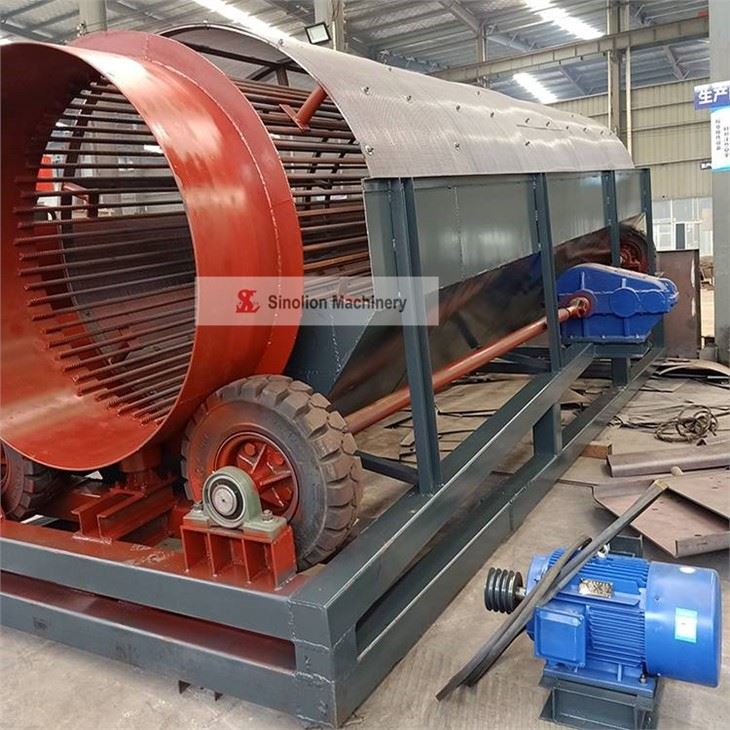
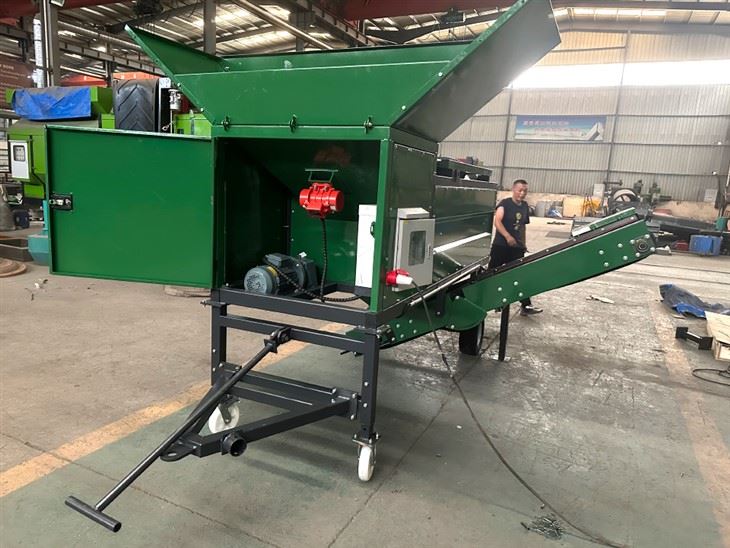
Let's say you have a mix of plastic waste that includes both large and small pieces. When you feed this mixture into a trommel screen, the smaller plastic pieces will fall through the holes in the drum, while the larger ones will continue to move along the drum and exit at the other end. This simple yet effective mechanism helps in quickly separating plastics based on their size.
Another advantage of using a trommel screen in plastic recycling is that it can remove some of the contaminants. Plastic waste often contains non - plastic materials like dirt, sand, or small metal parts. As the plastic moves through the rotating drum of the trommel screen, the dirt and sand can fall through the holes, leaving behind cleaner plastic. This reduces the burden on the later stages of the recycling process, where more advanced separation techniques are used to separate different types of plastics.
However, it's important to note that trommel screens have their limitations when it comes to plastic recycling. They are mainly designed for size - based separation and are not very effective in separating plastics based on their chemical composition. For example, they can't distinguish between PET and HDPE if they are of the same size.
To overcome this limitation, trommel screens are usually used in combination with other sorting technologies. After the initial size - based separation by the trommel screen, other methods like near - infrared (NIR) sorting can be used. NIR sorting can identify different types of plastics based on their unique infrared absorption spectra.
In addition to size separation and contaminant removal, trommel screens can also help in reducing the volume of plastic waste. By separating the smaller pieces from the larger ones, the overall volume of the plastic waste that needs to be processed in the later stages is reduced. This can lead to cost savings in terms of transportation and processing.
Now, let's talk about the practical aspects of using a trommel screen for plastic recycling. When choosing a trommel screen for plastic recycling, you need to consider several factors. The size of the holes in the drum is crucial. You need to select a screen with the appropriate hole size based on the size of the plastic pieces you want to separate. If the holes are too large, some of the smaller plastics that you want to separate may not fall through. If the holes are too small, it may slow down the processing speed.
The rotational speed of the drum is another important factor. A faster rotational speed can increase the throughput, but it may also cause more wear and tear on the screen. You need to find the right balance to ensure efficient and long - lasting operation.
The material of the drum is also significant. For plastic recycling, a drum made of a durable material that can withstand the abrasion caused by the plastic is essential. Stainless steel is a popular choice as it is corrosion - resistant and can handle the constant movement of plastic.
In terms of maintenance, trommel screens are relatively easy to maintain. Regular cleaning of the drum to remove any stuck plastic or contaminants is necessary. You also need to check the bearings and other moving parts for wear and tear and replace them as needed.
So, in conclusion, a trommel screen can definitely be used for plastic recycling. It's a valuable tool in the initial sorting and pre - processing stages of plastic recycling. While it has its limitations, when used in combination with other advanced sorting technologies, it can significantly improve the efficiency of the plastic recycling process.
If you're in the plastic recycling business or are considering getting into it, and you're looking for a reliable trommel screen, we've got you covered. Our trommel screens are designed with high - quality materials and advanced technology to ensure optimal performance in plastic recycling applications.
If you're interested in learning more about our trommel screens or have any questions about using them for plastic recycling, don't hesitate to reach out. We're here to help you make the right choice for your plastic recycling needs. Let's start a conversation and see how we can work together to make plastic recycling more efficient.
References:
- "Plastic Recycling Handbook" - A comprehensive guide on plastic recycling processes and technologies.
- Industry reports on waste management and recycling, which provide insights into the use of various equipment in plastic recycling.


