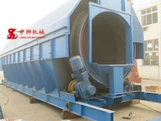

As a seasoned supplier of Trommel Screens, I've encountered numerous inquiries regarding the screen aperture size of these essential pieces of equipment. The screen aperture size of a Trommel Screen plays a pivotal role in determining its efficiency and suitability for various applications. In this blog, I'll delve into the intricacies of screen aperture size, exploring its significance, factors influencing its selection, and how it impacts the performance of Trommel Screens.
Understanding Screen Aperture Size
The screen aperture size refers to the dimensions of the openings in the screening media of a Trommel Screen. These openings can vary widely in shape and size, depending on the specific requirements of the application. Common shapes include round, square, rectangular, and slotted, each offering unique advantages in terms of particle separation and throughput.
The size of the screen apertures directly affects the size of the particles that can pass through the screen. Larger apertures allow larger particles to pass, while smaller apertures restrict the passage of larger particles, resulting in a finer separation. This characteristic makes the screen aperture size a critical parameter in determining the final product size and quality.
Significance of Screen Aperture Size
The choice of screen aperture size has a profound impact on the performance and efficiency of a Trommel Screen. Here are some key aspects highlighting its significance:
Particle Separation
The primary function of a Trommel Screen is to separate particles based on their size. By selecting the appropriate screen aperture size, operators can ensure that the desired particle size fraction is efficiently separated from the feed material. For example, in a recycling application, a Trommel Screen with a specific aperture size can be used to separate different types of plastics based on their size, facilitating the recycling process.
Throughput
The screen aperture size also influences the throughput capacity of a Trommel Screen. Larger apertures generally allow for higher throughput rates, as more material can pass through the screen in a given time. However, this may come at the expense of separation efficiency, as larger particles may also pass through the screen. Conversely, smaller apertures can improve separation efficiency but may reduce the throughput capacity. Therefore, finding the right balance between throughput and separation efficiency is crucial when selecting the screen aperture size.
Product Quality
The screen aperture size directly affects the quality of the final product. By carefully selecting the aperture size, operators can ensure that the product meets the desired specifications in terms of particle size distribution. For instance, in the production of aggregates, a Trommel Screen with the appropriate aperture size can be used to produce a consistent and high-quality product that meets the requirements of the construction industry.
Factors Influencing Screen Aperture Size Selection
Several factors need to be considered when selecting the screen aperture size for a Trommel Screen. These factors include:
Feed Material Characteristics
The characteristics of the feed material, such as particle size distribution, shape, density, and moisture content, play a crucial role in determining the appropriate screen aperture size. For example, if the feed material contains a wide range of particle sizes, a Trommel Screen with multiple screen decks and different aperture sizes may be required to achieve efficient separation. Similarly, if the feed material is sticky or has a high moisture content, larger apertures may be necessary to prevent clogging.
Application Requirements
The specific requirements of the application also influence the screen aperture size selection. Different applications may require different particle size fractions, and the screen aperture size should be chosen accordingly. For example, in a Municipal Solid Waste sorting application, the screen aperture size may be selected to separate organic matter from recyclable materials, such as plastics and metals.
Trommel Screen Design
The design of the Trommel Screen, including the length, diameter, rotational speed, and inclination angle, can also affect the screen aperture size selection. These factors influence the residence time of the material on the screen, the degree of agitation, and the efficiency of particle separation. For example, a longer Trommel Screen may allow for more efficient separation, as the material has more time to pass through the screen.


Impact of Screen Aperture Size on Trommel Screen Performance
The screen aperture size has a direct impact on the performance of a Trommel Screen. Here are some key ways in which it affects the machine's operation:
Separation Efficiency
The separation efficiency of a Trommel Screen is directly related to the screen aperture size. A well-chosen aperture size can ensure that the desired particle size fraction is efficiently separated from the feed material, resulting in a high-quality product. However, if the aperture size is too large or too small, the separation efficiency may be compromised, leading to a lower-quality product or increased waste.
Throughput Capacity
As mentioned earlier, the screen aperture size influences the throughput capacity of a Trommel Screen. Larger apertures generally allow for higher throughput rates, but this may come at the expense of separation efficiency. Therefore, it is important to find the right balance between throughput and separation efficiency when selecting the screen aperture size.
Screen Wear and Maintenance
The screen aperture size can also affect the wear and maintenance requirements of a Trommel Screen. Smaller apertures are more prone to clogging, which can increase the wear on the screen and reduce its lifespan. Additionally, screens with smaller apertures may require more frequent cleaning and maintenance to ensure optimal performance.
Selecting the Right Screen Aperture Size
Selecting the right screen aperture size for a Trommel Screen requires careful consideration of the factors mentioned above. Here are some general guidelines to help you make an informed decision:
Conduct a Material Analysis
Before selecting the screen aperture size, it is important to conduct a thorough analysis of the feed material. This includes determining the particle size distribution, shape, density, and moisture content. By understanding the characteristics of the feed material, you can select the appropriate screen aperture size to achieve efficient separation.
Consider the Application Requirements
The specific requirements of the application should also be taken into account when selecting the screen aperture size. Consider the desired particle size fraction, the required throughput capacity, and the quality standards of the final product. This will help you choose the screen aperture size that best meets your application needs.
Consult with a Trommel Screen Expert
If you are unsure about the appropriate screen aperture size for your application, it is advisable to consult with a Trommel Screen expert. An experienced supplier or engineer can provide valuable insights and recommendations based on their knowledge and expertise. They can also help you select the right Trommel Screen design and configuration to optimize the performance of your screening process.
Conclusion
In conclusion, the screen aperture size of a Trommel Screen is a critical parameter that significantly impacts its performance and efficiency. By understanding the significance of screen aperture size, considering the factors influencing its selection, and carefully choosing the right aperture size for your application, you can ensure that your Trommel Screen operates at its best.
As a supplier of Trommel Screens, we have extensive experience in helping our customers select the right screen aperture size for their specific needs. Our team of experts can provide customized solutions and support to ensure that you achieve the desired results. Whether you are involved in recycling, mining, construction, or any other industry that requires efficient particle separation, we can help you find the perfect Trommel Screen solution.
If you are interested in learning more about our Trommel Screens or would like to discuss your specific requirements, please feel free to contact us. We look forward to the opportunity to work with you and help you optimize your screening process.