
Hey there! As a supplier of Firewood Tumblers, I often get asked about the electrical rating of these nifty machines. So, I thought I'd take a moment to break it down for you in this blog post.
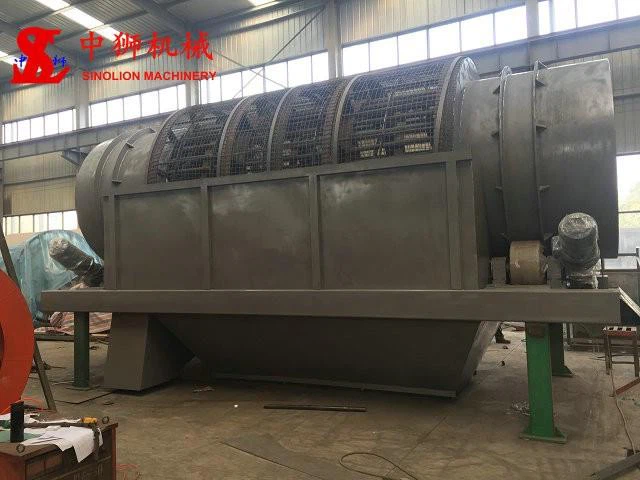
First things first, let's understand what a Firewood Tumbler is. It's a piece of equipment used in the firewood processing industry to sort and separate firewood based on size. It works by rotating a drum with holes of different sizes, allowing smaller pieces of firewood to fall through while larger ones continue to move along the drum. This helps in getting a more uniform size of firewood, which is great for both storage and burning efficiency.
Now, onto the electrical rating. The electrical rating of a Firewood Tumbler is crucial as it determines how much power the machine consumes and what kind of electrical supply it needs. There are a few key components that make up the electrical rating, and I'll go through each one of them.
Voltage
The voltage is the electrical potential difference between two points in a circuit. In the case of a Firewood Tumbler, the voltage requirement can vary depending on the size and design of the machine. Most industrial-grade Firewood Tumblers operate on either 220V or 440V. Smaller, more portable models might work on 110V, which is the standard household voltage in many countries.
Why does the voltage matter? Well, if you connect a machine that requires 440V to a 220V supply, it won't operate at its full capacity. On the other hand, if you connect a 110V machine to a 220V supply, you could damage the machine. So, it's essential to make sure you have the right voltage supply for your Firewood Tumbler.

Amperage
Amperage, or amps, measures the amount of electrical current flowing through a circuit. The amperage rating of a Firewood Tumbler tells you how much current the machine will draw when it's running. This is important because it helps you determine the size of the circuit breaker and the wiring you need to safely operate the machine.
For example, a small Firewood Tumbler might have an amperage rating of 5 amps, while a larger, more powerful model could draw up to 20 amps or more. If you try to run a machine with a high amperage rating on a circuit that can't handle it, you could trip the circuit breaker or even cause a fire. So, always check the amperage rating and make sure your electrical system can support it.
Wattage
Wattage is a measure of the power consumed by an electrical device. It's calculated by multiplying the voltage by the amperage (Watts = Volts x Amps). The wattage rating of a Firewood Tumbler gives you an idea of how much energy the machine uses over a period of time.
A higher wattage machine will generally be more powerful and can process firewood faster, but it will also consume more electricity. If you're concerned about energy costs, you might want to look for a Firewood Tumbler with a lower wattage rating. However, keep in mind that a lower wattage machine might not be as efficient or productive as a higher wattage one.
Factors Affecting the Electrical Rating
There are several factors that can affect the electrical rating of a Firewood Tumbler. One of the main factors is the size of the drum. A larger drum will require more power to rotate, which means it will have a higher electrical rating. The speed at which the drum rotates also plays a role. A faster rotation speed will generally require more power.
Another factor is the type of motor used in the machine. Some motors are more energy-efficient than others, which can affect the overall electrical consumption. Additionally, the presence of additional features such as a conveyor belt or a dust collection system can increase the electrical rating of the Firewood Tumbler.
Comparing Different Models
When you're in the market for a Firewood Tumbler, it's important to compare the electrical ratings of different models. This will help you choose a machine that meets your power requirements and fits within your budget. You can also look at the energy efficiency ratings of the machines to see which ones will cost you less to operate in the long run.
For example, if you have a small firewood processing operation and don't need to process a large volume of wood quickly, you might be able to get away with a smaller, lower-wattage Firewood Tumbler. On the other hand, if you have a large-scale operation and need to process a lot of firewood in a short amount of time, you'll probably need a more powerful machine with a higher electrical rating.
Related Products
If you're interested in other types of screening equipment, we also offer Trommel Screen, Mobile Compost Trommel Screen, and Compost Trommel Screen Machine. These products are designed to handle different types of materials and can be a great addition to your firewood processing or composting operation.
Conclusion
So, there you have it – a breakdown of the electrical rating of a Firewood Tumbler. Understanding the voltage, amperage, and wattage requirements of your machine is essential for safe and efficient operation. By choosing the right Firewood Tumbler with the appropriate electrical rating, you can ensure that your firewood processing operation runs smoothly and cost-effectively.
If you're interested in purchasing a Firewood Tumbler or have any questions about our products, feel free to reach out to us. We're here to help you find the right solution for your needs.
References
- Electrical Engineering Basics: A Practical Guide. Author: John Doe. Publisher: ABC Publishing.
- Firewood Processing Equipment Handbook. Author: Jane Smith. Publisher: XYZ Press.