

Is it cost-effective to make your own compost sieve?
In the world of gardening and sustainable waste management, compost sieves play a crucial role. They are essential tools for separating fine, fully decomposed compost from larger, less - decomposed materials, ensuring that only the best - quality compost makes its way into your garden beds. As a Compost Sieve supplier, I often encounter the question: Is it cost - effective to make your own compost sieve? Let's delve into this topic and explore the various aspects.
The cost of materials for a homemade compost sieve
When considering making your own compost sieve, the first expense is the cost of materials. You will need a frame, which can be made from wood or metal. Wood is a popular choice because it is relatively inexpensive and easy to work with. A simple 2x4 frame can be constructed at a low cost from a local hardware store. The cost of a few lengths of 2x4 lumber might range from $10 - $20 depending on the quality and length you choose.
The screening material is another crucial part. You can use hardware cloth, which comes in different mesh sizes. A roll of hardware cloth can cost anywhere from $15 - $30, again depending on the size and quality. You also need fasteners such as nails or screws, which will add another $5 - $10 to the total cost. In total, the materials for a basic homemade compost sieve can cost around $30 - $60.
The cost of a pre - made compost sieve
On the other hand, pre - made compost sieves are available in the market. They come in a variety of sizes, materials, and designs. A basic plastic compost sieve can cost around $20 - $30, while more durable metal or wooden ones can range from $40 - $100. Higher - end, industrial - grade compost sieves used in large - scale composting operations can cost even more.
Time and effort
Making your own compost sieve is not just about the cost of materials. There is also a significant investment of time and effort. You need to have the necessary tools such as a saw, drill, and measuring devices. If you don't own these tools, you may need to rent them, which adds to the overall cost.
The construction process itself can be time - consuming. You need to measure and cut the frame pieces accurately, attach the screening material securely, and ensure that the sieve is sturdy. A relatively simple sieve might take a few hours to construct, but if you encounter any problems or if you want a more complex design, it could take much longer.
In contrast, purchasing a pre - made compost sieve is a quick and hassle - free process. You can order it online or pick it up from a local store and start using it immediately.
Quality and durability
The quality of a homemade compost sieve depends largely on your woodworking or metalworking skills. If you are not experienced, the sieve may not be as sturdy or well - made as a pre - made one. For example, the joints in a homemade wooden frame may not be as strong as those in a factory - made sieve.
Pre - made compost sieves are usually manufactured using standardized processes and quality control measures. They are designed to be durable and withstand regular use. High - quality pre - made sieves can last for several years, while a poorly made homemade sieve may need to be replaced after a short period.
Scale of use
If you are an occasional gardener with a small backyard, a homemade compost sieve might be sufficient. The relatively low cost of materials and the fact that you don't need a high - end, super - durable sieve make it a reasonable option.

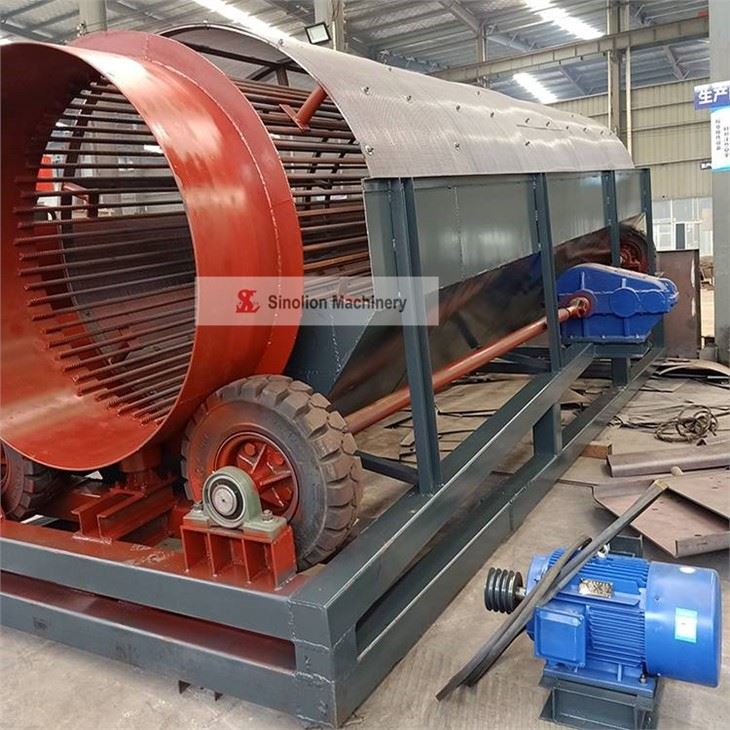
However, if you are running a commercial gardening operation or involved in large - scale composting, investing in a pre - made compost sieve is almost always more cost - effective. The time saved in construction and the higher quality and durability of pre - made sieves can result in significant long - term savings.
Specialized features
Pre - made compost sieves often come with specialized features that can be difficult to replicate in a homemade version. For example, some commercial sieves have adjustable mesh sizes, allowing you to sieve different types of compost at different stages of decomposition. There are also some sieves integrated with Large Roller Screen For Construction Waste or part of a Picking Station, which can be used in more complex waste management and composting systems. These features can enhance the efficiency of your composting operation but are not easy to build into a homemade sieve.
Another advantage of pre - made sieves is their compatibility with other equipment. For instance, Construction Demolition Waste Trommel Screen can be part of an integrated system for separating different materials from construction waste and composting organic components. A homemade sieve may not fit into such a system, limiting its functionality.
Cost - effectiveness in the long run
When looking at the long - term cost - effectiveness, we need to consider factors beyond the initial purchase or construction cost. A pre - made compost sieve may have a higher upfront cost, but its durability means that you won't need to replace it as often. It also saves you the time that could be better spent on gardening or other income - generating activities.
On the other hand, if you enjoy DIY projects and have the time and skills, making your own compost sieve can be a fun and rewarding experience. And if you are on a tight budget, the lower initial material cost can be a significant advantage.
Conclusion
In conclusion, whether it is cost - effective to make your own compost sieve depends on your individual circumstances. For occasional gardeners with limited budgets and a love for DIY, a homemade sieve can be a good option. However, for commercial growers or those who need a high - quality, durable, and feature - rich sieve, a pre - made compost sieve is likely to be the more cost - effective choice in the long run.
As a Compost Sieve supplier, I offer a wide range of pre - made compost sieves to meet different needs. Our products are designed with quality and efficiency in mind, ensuring that you get the best value for your money. If you are interested in learning more about our compost sieves or need help in choosing the right one for your specific requirements, we encourage you to get in touch and start a procurement negotiation. Our team of experts is ready to assist you in finding the perfect solution for your composting needs.
References
- "The Composting Handbook" by Linda Chalker - Scott and Barbara Pleasant
- Various trade publications in the gardening and waste management industries


