

Can a firewood tumbler be used in a closed environment? That's a question I've been getting a lot lately, and as a firewood tumbler supplier, it's something I feel compelled to address. In this blog post, I'm gonna break down the science behind it, give you the pros and cons, and help you decide if using a firewood tumbler in a closed space is right for you.
First off, let's talk about what a firewood tumbler is. A firewood tumbler is essentially a cylindrical drum that rotates, helping to separate and clean firewood from other debris such as dirt, rocks, and small branches. It's a great tool for anyone in the firewood business, whether you're a commercial supplier or just someone who likes to stock up on firewood for your own use.
Now, when it comes to using a firewood tumbler in a closed environment, there are a few things you need to consider. One of the main concerns is ventilation. When a firewood tumbler is operating, it kicks up a lot of dust and debris. In an open environment, this dust can disperse into the air relatively easily. But in a closed environment, the dust can quickly build up, which can pose a serious health risk to anyone in the vicinity. Breathing in dust particles can cause respiratory problems, especially for those with pre - existing conditions like asthma or allergies.
Another issue is the heat generated by the tumbler. The motor and the friction of the firewood moving around inside the drum can produce a fair amount of heat. In a closed environment, this heat can build up, potentially causing damage to the tumbler itself or even creating a fire hazard if the temperature gets too high.
On the flip side, there are some reasons why you might want to use a firewood tumbler in a closed environment. For one, it can protect the tumbler from the elements. If you live in an area with harsh weather conditions, keeping the tumbler indoors can extend its lifespan. Also, using it in a closed space can reduce noise pollution. If you have neighbors who are sensitive to noise, this can be a big plus.
Let's look at some real - world examples to understand the implications better. Suppose you have a small firewood business, and you've set up your firewood tumbler in a small shed. At first, everything seems fine. But after a few hours of operation, you notice that the air inside the shed is getting thick with dust. You start coughing, and your eyes are watering. This is a clear sign that the lack of proper ventilation is a problem.
On the other hand, if you have a well - insulated and ventilated garage, you might be able to use the tumbler without too many issues. You can install exhaust fans to remove the dust and heat, and you'll still get the benefits of protecting the tumbler and reducing noise.
Now, I want to mention some related products that might be of interest to you. If you're dealing with waste materials other than firewood, you might want to check out our Municipal Solid Waste solutions. These are designed to handle a wide range of waste materials and can be a great addition to your waste management setup.
We also have Portable Compost Trommel Screen Plant and Mobile Compost Trommel Screener options. These are perfect for those in the composting business, as they can help you efficiently screen and separate compost materials.
So, can you use a firewood tumbler in a closed environment? The answer is, it depends. If you can ensure proper ventilation and temperature control, it's possible. But if you can't, it's probably best to use the tumbler in an open area.

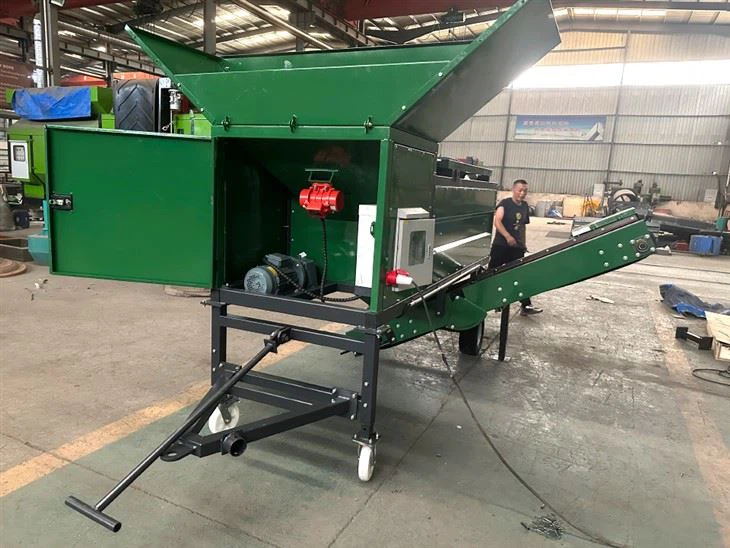
If you're interested in purchasing a firewood tumbler or any of our other products, I encourage you to reach out to us. We're here to help you make the right choice for your business or personal needs. Whether you're a seasoned professional or just starting out in the firewood or waste management industry, we have the expertise and the products to meet your requirements. Contact us today to start a conversation about how we can work together.
References
- General knowledge on firewood processing and equipment safety.
- Industry standards for operating machinery in different environments.


